“If you want something you’ve never had, then you’ve gotta do something you’ve never done.”
Thomas Jefferson
Common Terminologies in Sets


Subsets & Proper Subsets


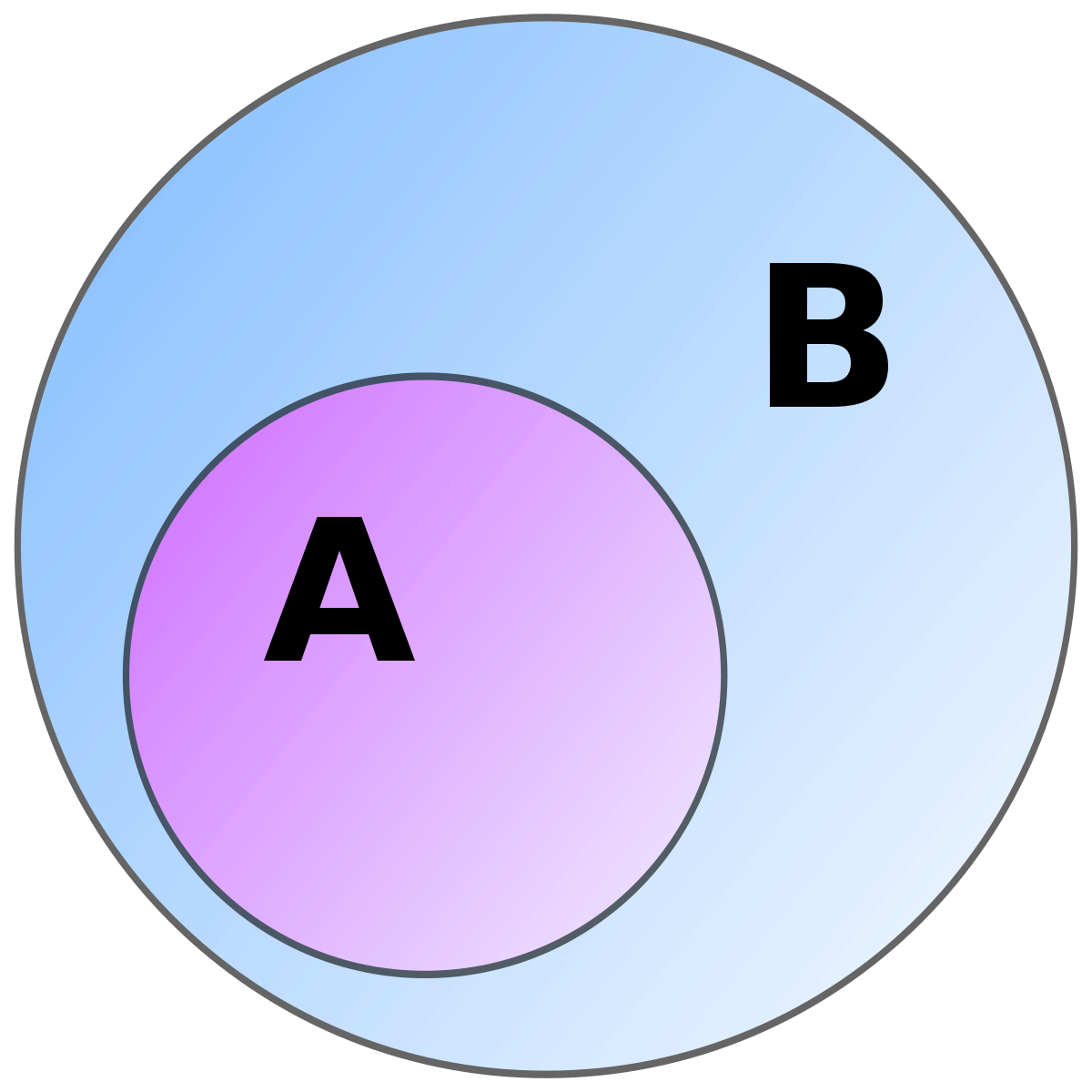
With reference to this image:
– A proper subset is when A lies inside B but cannot be equal to B because they don’t share the exact same elements in both sets
– A subset is when A can be equal to B because both the sets contain the exact same elements
Important Pointers
- In sets, we should always put them in notation form when listing elements where they’re surrounded by curly brackets { } and separated by commas. e.g. A ⋃ B = {2, 3, 8}
- The three dots (…) are called ellipsis and are used to justify that the set goes on
e.g {1, 2, 3, 4, 5, …, 30} - A’ refers to everything outside A therefore A’ ⋃ A makes a universal set
- Universal set refers to all the elements present in the set
- Empty or null set refers to a set without any elements { }
- n(A) refers to the. umber of elements in set A, and therefore, it shouldn’t be surrounded with curly brackets
e.g. n(A) = 6
Simple Probability
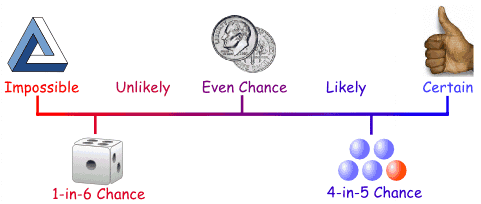
- If an event cannot happen, the probability of it occurring is 0.
- If an event is certain to happen, the probability of it occurring is 1
- All probabilities lie between 0 and 1, and can be written using fractions or decimals
- Probability is written as event/total possible outcomes, when in fraction form

Independent and Exclusive Events
– Independent events are those events that are unaffected by the occurrence of others
e.g. obtaining a head on one coin and a tail on another when they’re tossed at the same time.
Keyword: ‘and’
the ‘AND’ rule:
p (A and B) = p (A) x p (B)
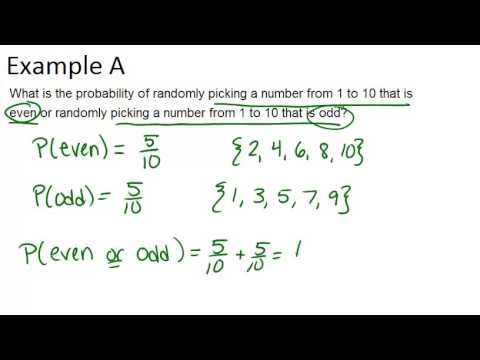
– Exclusive events are those events that cannot occur at the same time; the occurrence of one hinders the other
e.g. selecting an even number or an odd number from a set of numbers
Keyword: ‘or’
the ‘OR’ rule:
p (A or B): p (A) + p (B)
Some examples are:


Tree Diagrams
– Tree diagrams are used to display all the possible outcomes of an event, where each branch represents a possible outcome. They can be useful to calculate the number of possible outcomes and the probability of certain outcomes.
Example 1:

In this example, the probability of each final possible outcome is found by multiplying the probabilities on each branch. e.g. the probability of getting…
head, head: 0.5 x 0.5 = 0.25
head, tail: 0.5 x 0.5 = 0.25
Example 2:

data:image/png;base64,iVBORw0KGgoAAAANSUhEUgAAAUYAAACbCAMAAAAp3sK
Real Life Applications of Sets & Probability:
1. Lawyers

The first real life application of sets can be used between lawyers and their respective clients. A client hires a lawyer to fight for them on a case, and the decision on how to do it has to be mutual. The lawyer can either take the case to trial in court, or the opposing team may hand them a settlement offer. However, the settlement offer can only be made if it is a mutual decision between the lawyer and the client. The lawyer will advice the best way to deal with the problem however, the client has to agree whether or not he/she is willing to give up whatever it takes to put the case at rest. Therefore, the lawyer can come up with a set of ideas of his/her own, and the client can do the same. Once they’ve come to an idea that’s favourable by both sides, they can draw up a settlement offer for their rivals.
2. Card Games

Probability can also be very useful when playing poker. This can help you in deciding how much you want to bet by examining your opponents’ skills, experience, abilities and whether or not you’re likely to be able to ‘play the man’ instead of playing the game by setting a high bet as a bluff. You can predict how likely it is for you to get a certain hand e.g. royal flush, straight flush, straight or full house. It can also help you decide whether you would like to call, raise, check or fold in a particular round. Besides that, it enables you to create the best hand possible by weighing your possible outcomes from the dealer’s flop.
3. Meteorologists

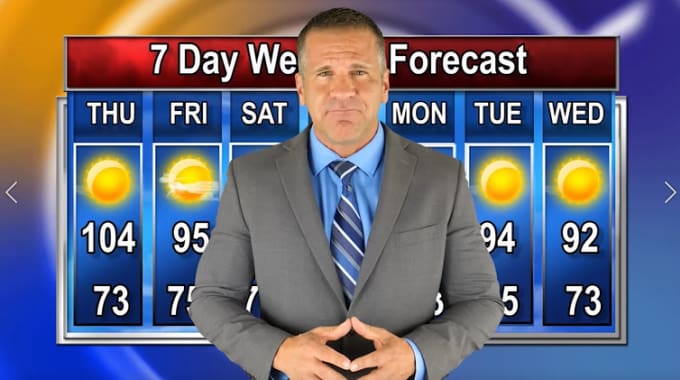
Another real life application of probability can be found in the study of meteorology. Meteorologists can’t know for sure how the weather will be tomorrow, day after or for the rest of the week. However, they predict it by using tools and instruments that can help to determine how likely it may snow, rain, shine, etc. For example, there’s a 70% chance of rain tomorrow so, this can warn people to bring an umbrella with them when they step out of the house for extra precautions. Meteorologists also examine historical data to estimate high or low temperatures, or possibly the weather pattern for the rest of the week.

 math πrates


Thanks for sharing this blog, I got to learn various new real life applications through this. Also, really good use of selected images to support understanding/explanation.
LikeLike